Quest · overworld study 01
A little further into the woods.
Five new pieces beside Bogs: a broad oak, a tall pine, a berry bush, a rounded boulder and a blank trail sign. These are artwork and placement ideas, ready to discuss before they enter the maker.
A small clearing
The same 32-pixel tile world, with room for the tree canopies.
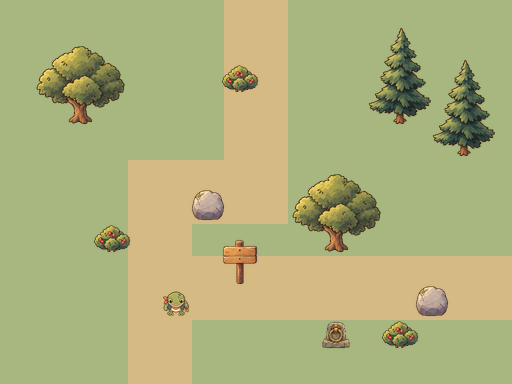
Scene preview. The brass ring is an existing hook target; ordinary trees have no ring.
One drawing, many places
Try ten colour collections, or change a material below. Leaves, wood, berries and stone use separate maps, keeping the drawn outlines and shading. Bogs and the brass anchor keep their original colours for this pilot.
RGB maps: red, green and blue select separate materials. Black preserves the original ink.
Open this RGB map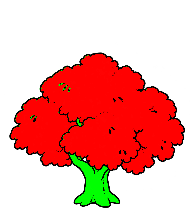
Recoloured piece / material map
All five pilot pieces have material maps. Bogs and the older sprint assets still need their own maps; future assets will use this same format.
The five pieces
Tap an illustration to inspect its transparent artwork. The trees have broad visual overhangs; their suggested solid footprint is just the trunk tile.
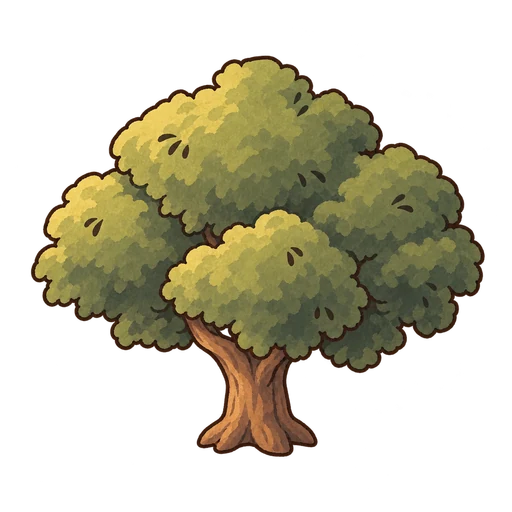
Broad oak
Soft canopy, clear trunk. A place to frame a path or hide a little discovery.
89 × 79 visual pixels · one trunk tile
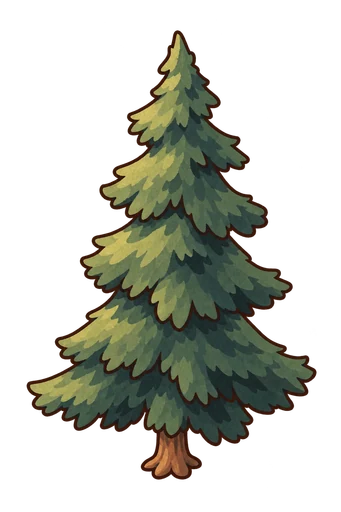
Tall pine
A different silhouette for woodland edges and narrow mountain trails.
62 × 97 visual pixels · one trunk tile
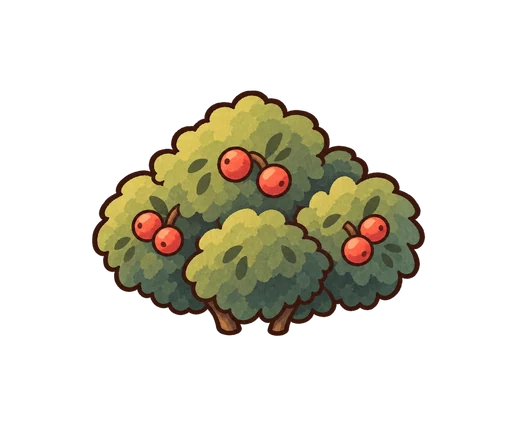
Berry bush
A little burst of coral. Harvesting or examining it is an idea for later.
37 × 28 visual pixels · one tile
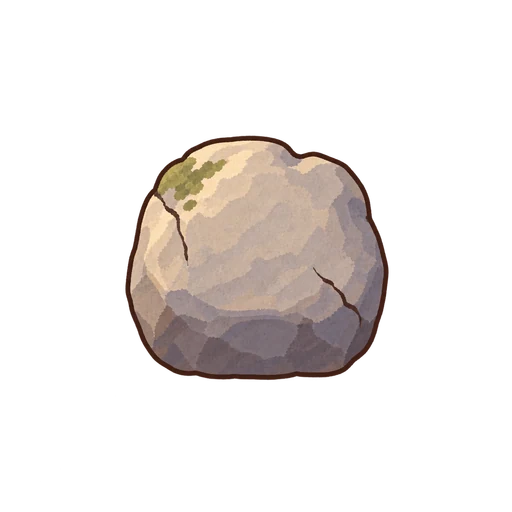
Rounded boulder
A discrete stone that could become a pushable puzzle piece.
34 × 31 visual pixels · one tile
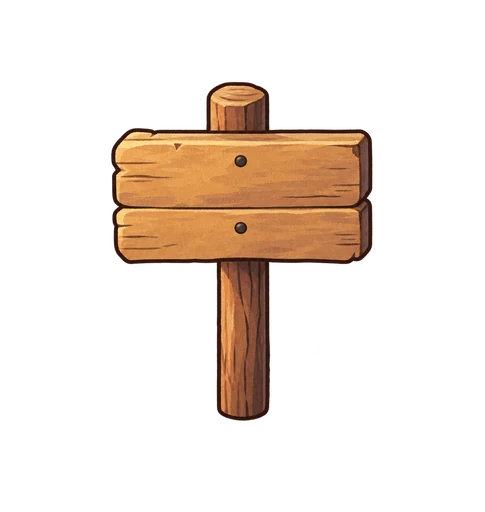
Blank trail sign
Room for the maker's message, shown through game text when read.
36 × 46 visual pixels · one tile
Small enough to play
Each object is shown beside the existing Bogs artwork at 32 and 64 pixels per tile. Base anchors stay fixed as the resolution changes.
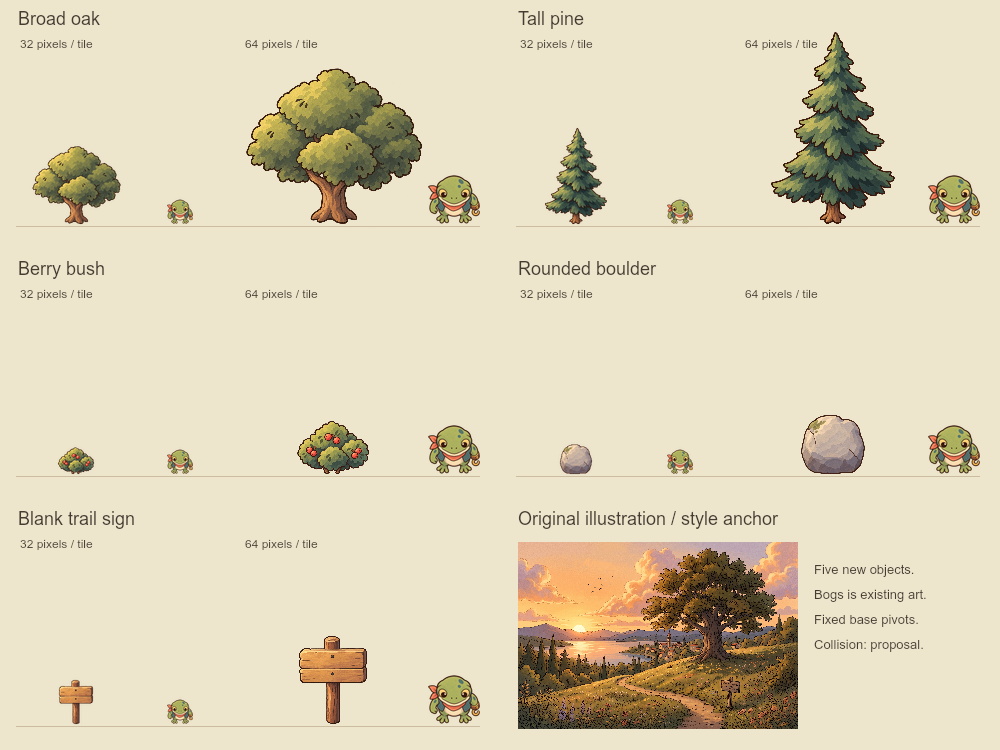
Back to the originals
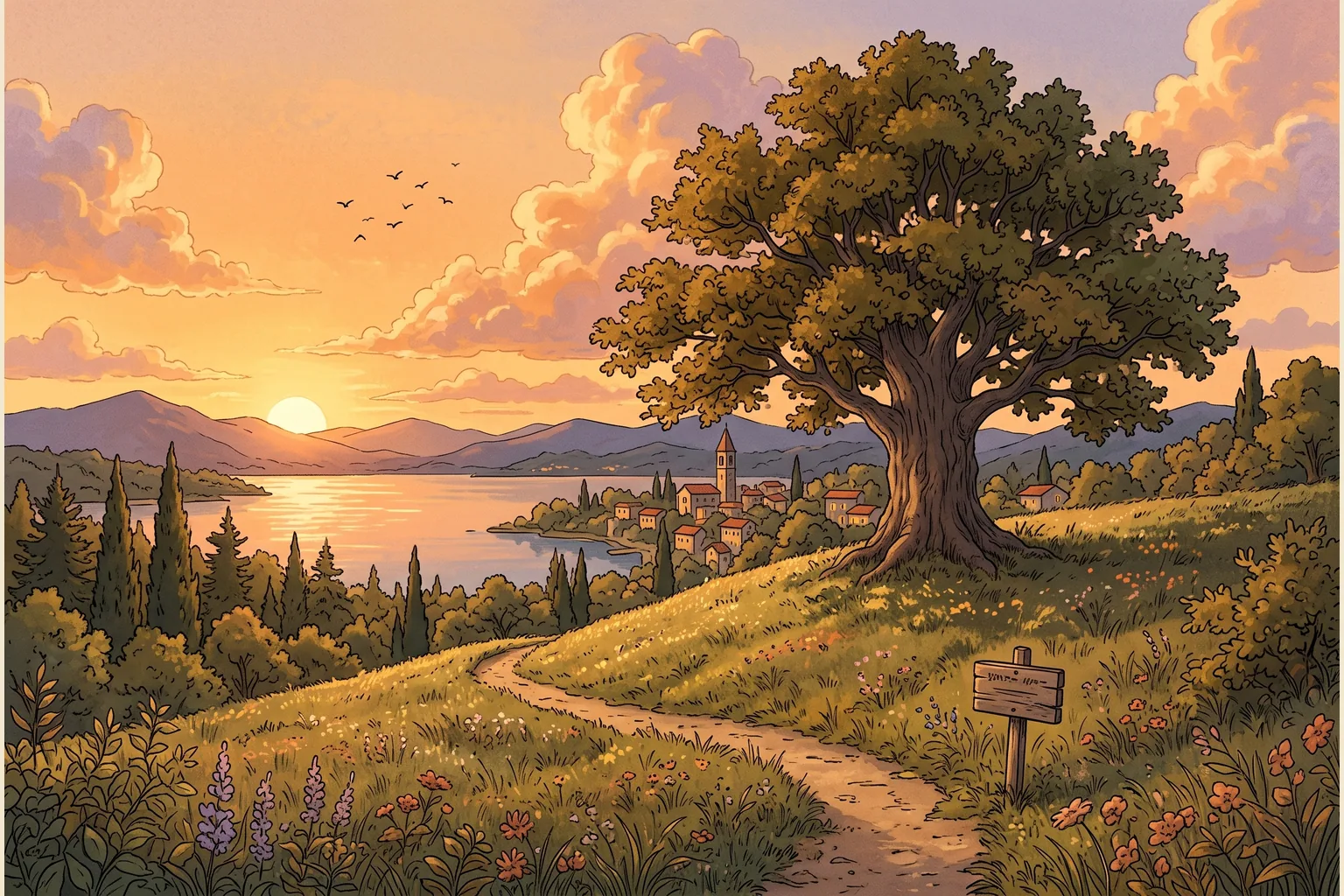
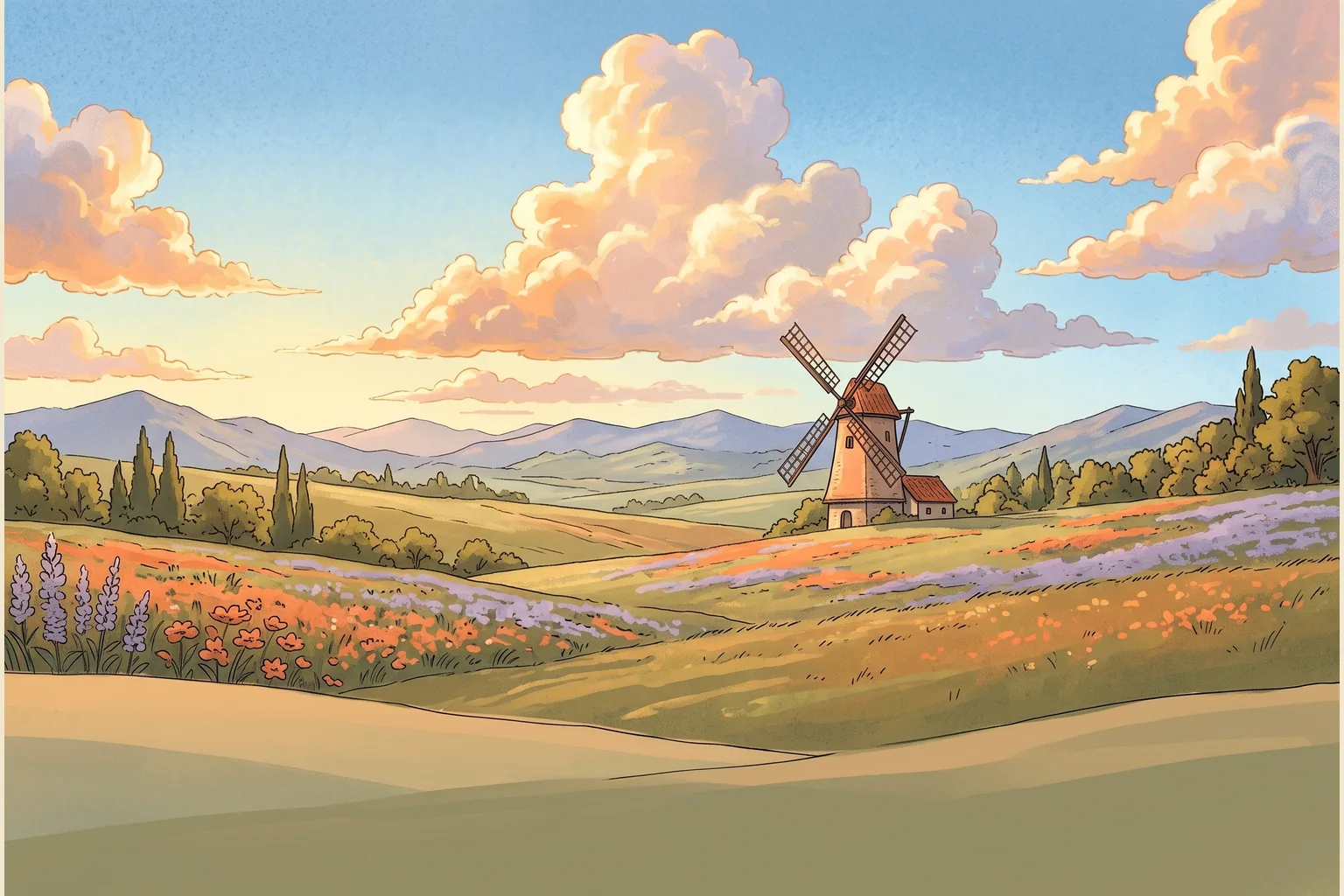
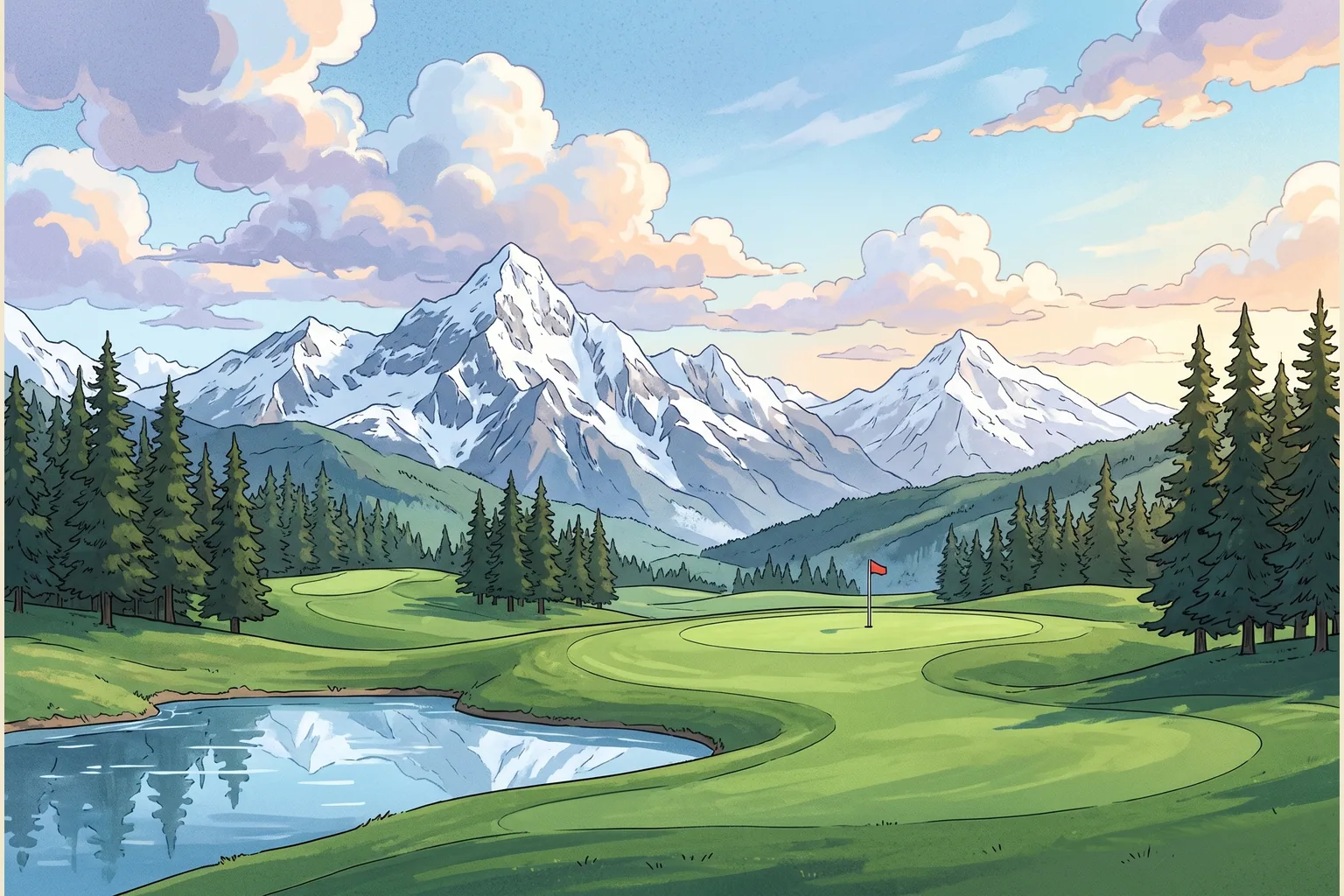
The original paintings set the colours, ink and atmosphere. The game pieces simplify those shapes for play.
Where this could go next
- A connected landscape: grass and path tiles, shallow-water edges and cliffs that join cleanly. Compare the existing sprint's stone floor, wall and pit materials first.
- Ways through it: stepping stones, log bridges, caves and stairs. Reuse the existing brass anchor for orthogonal hookshot routes.
- A room that responds: reuse the ring crate, open/closed chest, pressure plate and gate pairs already in the sprint. A matching lever would be new work.
These five pieces prove silhouette and scale. In the maker, footprints should snap cleanly to the grid, with decoration and interactive objects clearly distinguished. Proposed harvesting, pushing and sign-reading behaviours are not implemented here.